When I first began these units, I honestly didn’t expect to be challenged to rethink how I engage with technology. I have always considered myself a fairly private person, with only a small online presence and limited interaction across social media platforms. Yet, being asked to write, reflect, and share openly in an online space again brought forward both old memories and new excitment. It reminded me that digital citizenship is not just about using technology it’s about using it intentionally, ethically, and in ways that reflect who we are and what we value.
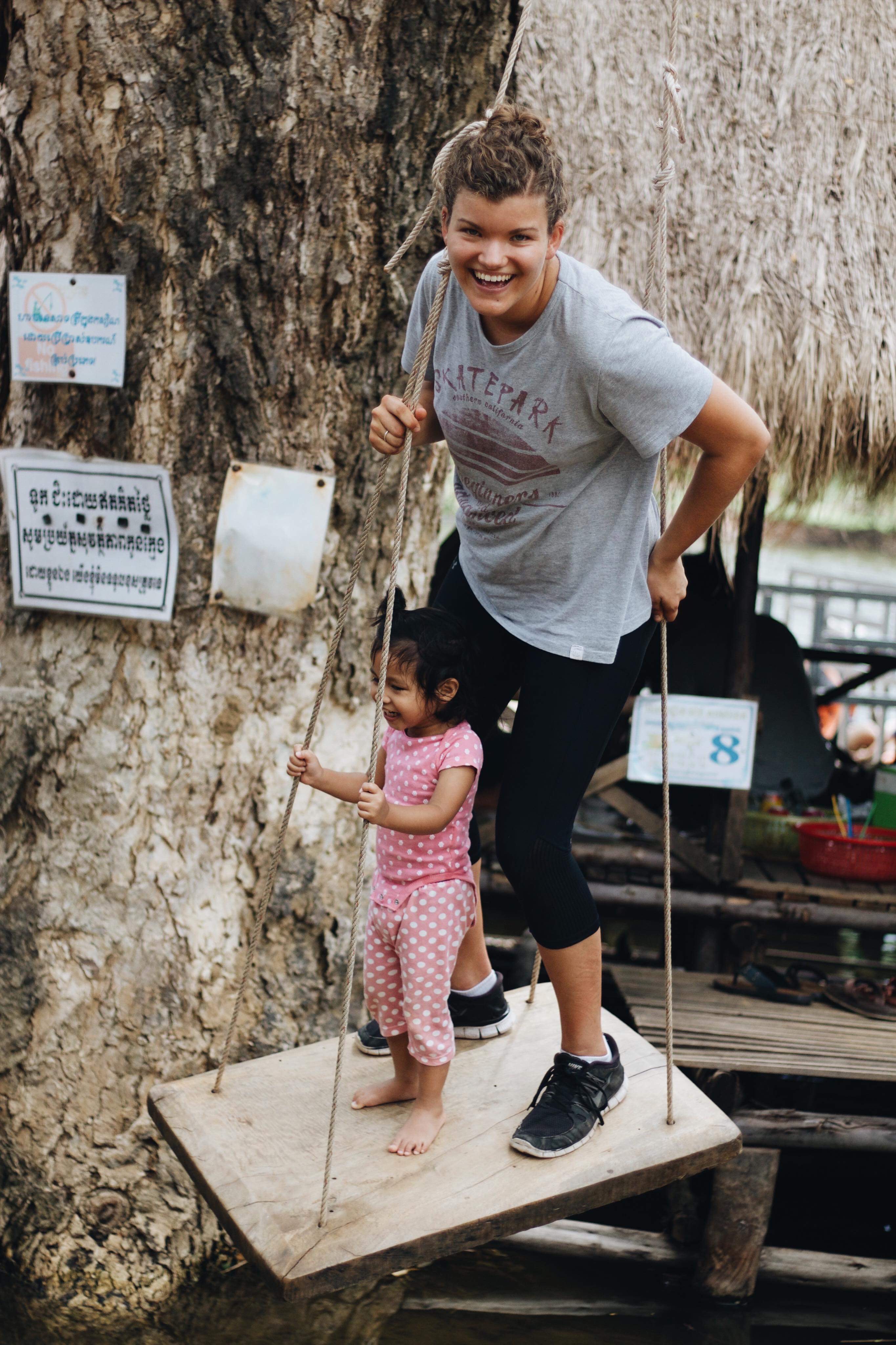
In the past, I often wrote blog updates while overseas on missions. Those posts were a window into my experiences, a way of inviting my friends, family, and church community into the work God was doing in the nations and in my own heart. I wrote with honesty and vulnerability, not realizing at the time that I was building a meaningful digital footprint. Revisiting that online history was like rediscovering a part of myself that had been quietly resting, waiting to be reawakened.
I learned how important it is to evaluate the credibility of what we read and share, and to think critically about the sources that shape our opinions and beliefs. Before this course, I rarely thought about algorithms, digital rights, or how search engines filter what we see. Now I realize how crucial it is to approach information with wisdom knowing what to trust, what to question, and what to avoid. This awareness will help me use technology in ways that nourish my mind, body, and soul, rather than distract or overwhelm them.
I also gained a deeper appreciation for the ethical dimensions of digital engagement. Everything we post carries meaning, influence, and potential impact. As someone who desires to honour God in every part of my life, I now see my digital presence as another space where I can reflect His character. Whether I am sharing my thoughts, responding to others, or creating content, I want to do so with integrity, kindness, empathy, and humility. I hope my voice adds warmth, understanding, and encouragement a small expression of Christian hospitality in digital form.
Another aspect of this course was learning about online communities and professional networks. I used to think of digital spaces as somewhat impersonal, but I now see that they can be places of true community when approached intentionally. I struggled to do that with the classmates in the course but that had more to do with feeling behind and trying to reshape engaging online without knowing people.
The potential for good within digital technology, social media and online platforms often have a negative reputation, and while there are definitely risks, there is also great opportunity. My own website, for example, could become a space not only to document my personal growth but to encourage others in their faith journey. The stories we share, the resources we curate, and the conversations we participate in can help others see God’s heart for mission, compassion, and transformation. The digital world can become a mission field of its own a place to sow seeds of hope, truth, and connection.
This experience has encouraged me to think more deeply about the legacy I want to leave in digital spaces. My hope is that my online presence whether through blog posts or creative projects would reflect God’s love and invites others into that. I will continue growing as a responsible, ethical, and compassionate digital citizen.




 Mikaela Kott
Recent Comments